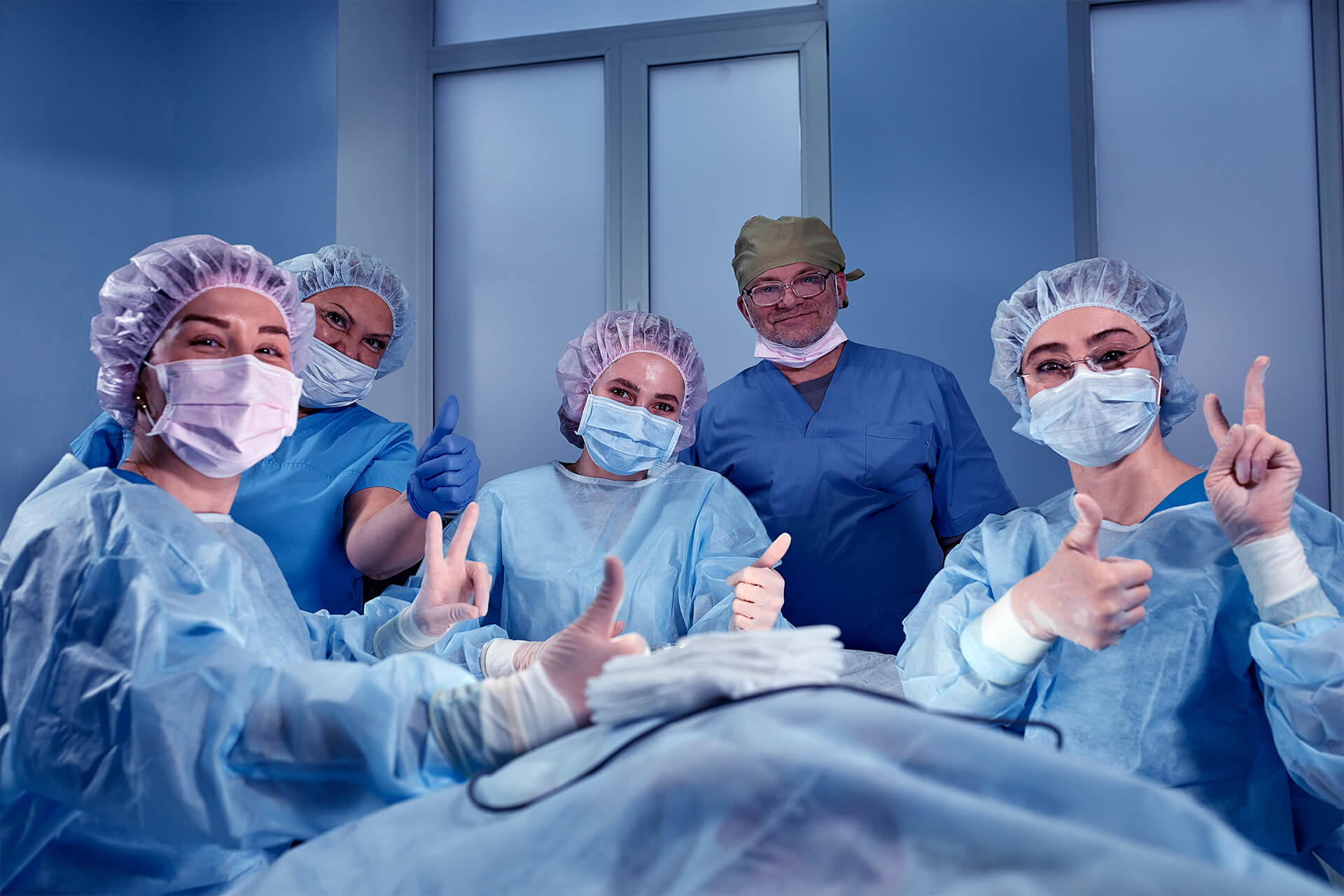
Minimally Invasive Spine Surgery in Erode
Minimally Invasive Spine Surgery (MISS) in Erode uses smaller incisions and specialised surgical instruments to treat selected spine conditions. The technique aims to reduce damage to nearby muscles and tissues while allowing the surgeon to reach the affected area.
At Care24 Medical Center & Hospital, Erode, spine specialists evaluate each patient and recommend treatment based on symptoms, examination and imaging results.
What Is Minimally Invasive Spine Surgery?
MISS allows a surgeon to access the spine through small incisions instead of a larger opening used in some traditional procedures.
Depending on the condition, the surgeon may:
- Relieve pressure on compressed nerves
- Remove part of a damaged disc
- Treat spinal stenosis
- Stabilise an unstable spine
- Perform selected spinal fusion procedures
The surgeon chooses the technique according to the patient’s diagnosis and individual needs.
When May MISS Help?
Doctors may consider Minimally Invasive Spine Surgery when symptoms continue despite appropriate non-surgical treatment.
Common symptoms include:
- Persistent back pain
- Pain spreading to the legs or arms
- Numbness or tingling
- Muscle weakness
- Difficulty walking or standing
Conditions such as herniated discs, spinal stenosis and some degenerative spine problems may require surgical evaluation.
Doctors may use an MRI, CT scan or X-ray to identify the cause of symptoms.
Benefits of Minimally Invasive Spine Surgery
MISS may offer several benefits for suitable patients, including:
- Smaller incisions
- Less damage to surrounding tissues
- Less blood loss in some procedures
- Less postoperative discomfort in some cases
- Shorter hospital stay for selected procedures
- Earlier movement and recovery
Results vary from patient to patient. Your surgeon will explain the expected benefits and possible risks before treatment.
How Does MISS Work?
The surgeon makes one or more small incisions and uses specialised instruments to reach the affected part of the spine.
The surgeon may then remove tissue that presses on a nerve, decompress the spinal canal or stabilise the spine, depending on the diagnosis.
The surgical approach depends on the patient’s condition, anatomy and imaging findings.
Diagnosis Before Spine Surgery
A proper diagnosis helps the doctor choose the right treatment.
Your evaluation may include:
- Physical examination
- Neurological examination
- X-ray
- MRI
- CT scan
Doctors use these tests to understand disc problems, nerve compression, spinal stenosis and other spine conditions.
Is MISS Suitable for Everyone?
No. Minimally Invasive Spine Surgery does not suit every patient or every spinal condition.
Your doctor will consider your symptoms, diagnosis, scan results, general health and response to non-surgical treatment before recommending surgery.
Some patients may improve with medication, physiotherapy, exercise and other conservative treatments.
Recovery After Spine Surgery
Recovery depends on the type of surgery and the patient’s overall health.
After surgery, your care team may provide advice about:
- Pain management
- Wound care
- Physical activity
- Physiotherapy
- Follow-up appointments
Follow your surgeon’s instructions carefully during recovery.
Spine Care at Care24 Hospital, Erode
Persistent back pain, numbness, weakness or pain that travels into the arms or legs deserves medical attention.
At Care24 Medical Center & Hospital, Erode, patients can receive specialist evaluation and treatment for neurological and spine-related conditions.
If your symptoms affect your daily activities, consult a qualified spine specialist to understand the cause and available treatment options.
Medical Disclaimer: This article provides general health information and does not replace a medical consultation. Your doctor will determine the most appropriate treatment based on your individual condition.